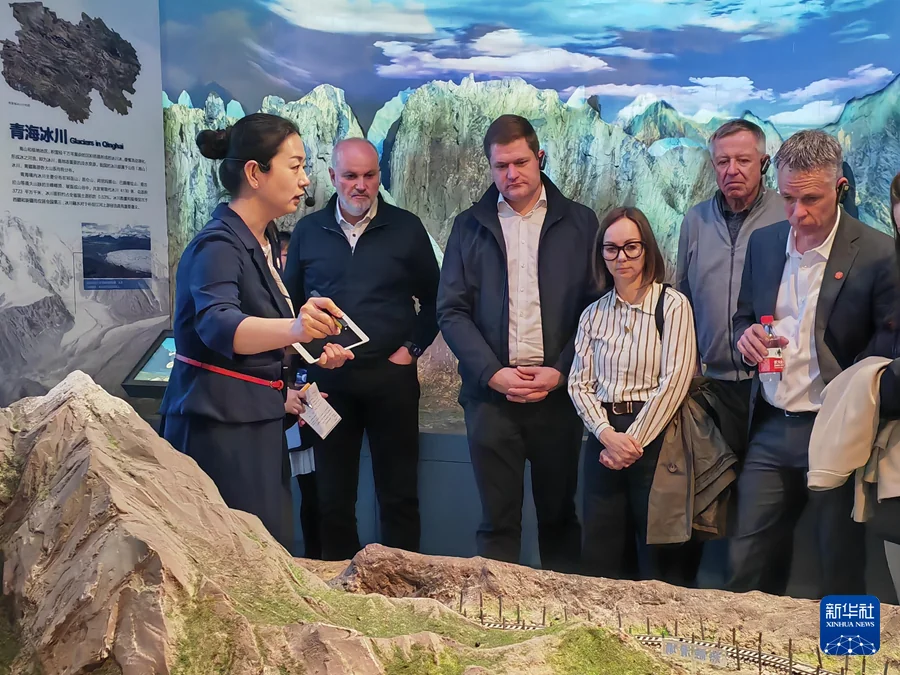
新闻摘要:4月3日至5日,奥地利中国友好协会高级代表团赴青海开展为期三天的参访交流,先后参观了青海省自然资源博物馆、青海湖二郎剑景区和青海省清洁能源与绿色算力调度中心。代表团在博物馆里近距离了解了三江源、祁连山和青海湖的地理与生物多样性,在展板和讲解中关注到雪豹保护、湿地修复与封湖育鱼等生态治理举措。
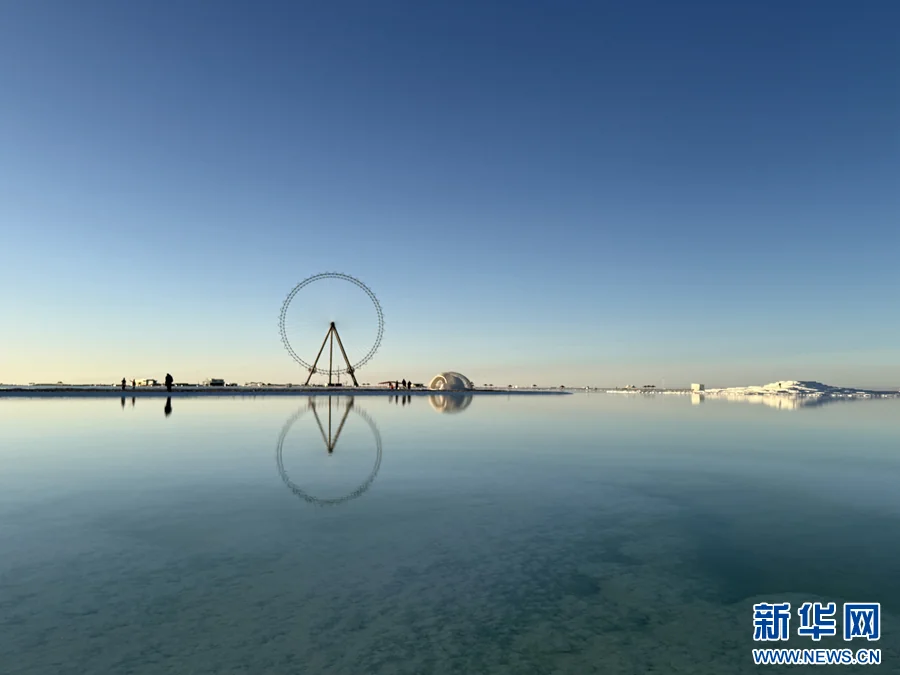
代表团还实地感受了青海湖的高原风貌与鸟类栖息环境,并对青海推广的“板上发电、板下种草、板间养殖”生态光伏模式与清洁能源布局表示认可。奥方代表认为青海与奥地利在旅游与可再生能源方面有广阔合作空间,对青海在绿色发展与智能化应用上的变化表示惊讶与赞赏。
思考与启发:青海的实践提醒我们,保护家乡的山水不是抽象的口号,而是日常的细活与长期的坚持。无论是博物馆里的标本与展板,还是田间的光伏与养殖,都是把守望自然和谋生计放在一起的具体办法。
天经里讲到人被安置在园中,要修理看守,这既是对自然的尊重,也是对生活的负责。愿我们把这份质朴的责任带到日常:多学多问、勤劳守护、和邻里互助,让守望成为常态而不是口号。
经文:主将那人安置在伊甸园,使他修理看守。《讨拉特·创世记 2:15》
链接:📖 查看经文
### English Translation
Title: Watching the Plateau and Building Green Trust
News Summary:
From April 3‑5, a senior delegation of the Austria‑China Friendship Association visited Qinghai for a three‑day exchange. They toured the Qinghai Provincial Natural Resources Museum, the Erlangjian scenic area at Qinghai Lake, and the Qinghai Clean Energy and Green Computing Dispatch Center. At the museum they learned up close about the geography and biodiversity of the Three‑River Source, the Qilian Mountains, and Qinghai Lake. The exhibits highlighted ecological actions such as snow‑leopard protection, wetland restoration, and fish‑raising in sealed lakes.
The delegation also experienced the high‑altitude landscape of Qinghai Lake and its bird habitats. They praised Qinghai’s “solar panels on the surface, grass planting underneath, and aquaculture between the rows” eco‑photovoltaic model and its clean‑energy layout. Austrian representatives said that Qinghai and Austria have great potential for cooperation in tourism and renewable energy, and they expressed surprise and admiration for Qinghai’s progress in green development and smart applications.
Reflection and Insight:
Qinghai’s example reminds us that caring for the mountains and waters of our own homes is not an abstract slogan but a daily, painstaking commitment that must be sustained over time. Whether it is the specimens and display boards in a museum or the solar panels and fish farms in the fields, each is a concrete way of combining stewardship of nature with livelihood.
The Scriptures tell us that humans were placed in the garden to work it and keep it. This is both respect for creation and responsibility for life. May we carry this simple duty into our everyday lives: learning more, asking questions, working hard to protect, and helping our neighbors, so that watch‑fulness becomes a habit, not just a catchphrase.
Scripture: “The Lord placed the man in the Garden of Eden to work it and keep it.” Genesis 2:15
Link: https://www.huizu-tianjing.icu/taolate/chuangshiji/2
来源:http://www.qh.xinhuanet.com/20260406/2d6dcd1b901142298b72e83b16dd993c/c.html